South Kensington Tube.


Published: 23 October 2026 Next Review Due: 23 October 2027
Deciding whether to have a herpes test can feel uncertain, particularly when symptoms are mild, absent, or could have several explanations. Herpes simplex virus (HSV) is more common than many people realise, and a significant proportion of those carrying the virus experience no noticeable symptoms at all. Understanding when a test may be appropriate — and what it can and cannot tell you — can help you make an informed decision about your sexual health. A physical examination may also be necessary in certain circumstances where laboratory testing alone is insufficient.
Should You Get a Herpes Test? A Direct Answer
A herpes test may be worth considering if you have developed sores, blisters or ulcers in or around the genital area; if a current or previous partner has been diagnosed with HSV; if you have had a new partner or unprotected sex and are concerned about exposure; or as part of a broader sexual health screen. Symptoms alone cannot confirm or exclude a herpes infection — other conditions can produce similar signs — and testing during the appropriate window period improves the reliability of the result.
Key points at a glance:
- Genital sores or blisters can have several possible causes, not all of which are herpes.
- Many people with HSV experience mild symptoms or none at all.
- Both swab tests and blood tests may be used, depending on your circumstances.
- Test timing relative to potential exposure affects result reliability.
- A physical examination may be needed when symptoms cannot be fully assessed through laboratory testing alone.
What Is Herpes and Why Does Testing Cause Uncertainty?
Herpes simplex virus exists in two main types: HSV-1 and HSV-2. HSV-1 has traditionally been associated with oral cold sores, while HSV-2 has been more commonly linked to genital herpes. However, either type can affect the mouth or genitals depending on the nature of sexual contact. This overlap can make it more difficult to interpret symptoms or a diagnosis without appropriate testing.
Both types of HSV can establish a lifelong presence in nerve cells, becoming dormant between outbreaks. Some people experience recurrent episodes of sores or blisters; others may notice only mild irritation, redness or tingling; and some carry the virus without any recognisable symptoms throughout their lives. This variability is one reason why herpes is often transmitted unknowingly, and why testing decisions require careful consideration of individual circumstances.
You can find detailed information about herpes testing options at STI Clinic London, which outlines the types of tests available and how they are used.
Could Symptoms Have Another Explanation?
It is important to approach genital symptoms without assuming a single cause. Several conditions can produce sores, ulcers, blisters or discomfort in the genital or perianal area that may resemble herpes:
- Skin irritation or friction from tight clothing, shaving or waxing
- Contact dermatitis from soaps, lubricants or latex products
- Ingrown hairs following hair removal
- Folliculitis, an infection of the hair follicle
- Bacterial infections, including syphilis (which can cause painless ulcers)
- Thrush or other fungal infections, which may cause soreness or rawness
- Behçet's disease or other inflammatory conditions, which can rarely produce mouth and genital ulcers
This list is not exhaustive, and appearance alone cannot confirm or exclude herpes or any other infection. If you have symptoms that concern you, a clinical examination by an appropriate healthcare professional is advisable, particularly when the cause is unclear.
When Might an HSV Infection Be Relevant?
Herpes is transmitted primarily through direct skin-to-skin contact with an affected area, including during oral, vaginal or anal sex. Transmission can occur even when no visible sores are present — a phenomenon known as asymptomatic viral shedding. This means that a partner appearing to have no symptoms does not guarantee they are not carrying the virus.
Circumstances in which HSV may be relevant include:
- Development of sores, blisters or painful ulcers in or around the genital, anal or oral area
- A recent diagnosis of genital herpes in a sexual partner
- A previous diagnosis of oral cold sores and concern about transmission during oral sex
- Recurrent episodes of genital discomfort, tingling or rawness without an established explanation
- A broader sexual health review following unprotected sex or a new partner
It is worth noting that a first recognisable outbreak of genital herpes may occur weeks, months or even years after initial infection, making it difficult to identify precisely when transmission occurred.
When Should You Consider Testing?
Testing may be appropriate in a range of situations. You do not need to wait for visible symptoms before seeking information, though the type of test recommended will differ depending on whether symptoms are present.
If you currently have sores or blisters: A swab test taken directly from an active lesion is generally the most appropriate approach during an outbreak. Swab testing can identify HSV and may distinguish between HSV-1 and HSV-2.
If you have no current symptoms but are concerned about past exposure: A blood test can detect HSV antibodies, indicating whether you have previously been exposed to HSV-1, HSV-2 or both. However, antibodies take time to develop, so testing too soon after a possible exposure may not produce a reliable result.
If a partner has been diagnosed: This is a reasonable prompt for testing, even in the absence of your own symptoms.
As part of routine sexual health screening: Herpes is not always included in a standard STI screen. If you have specific concerns about HSV, it is worth confirming that herpes testing is included when arranging a check-up.
For guidance on broader STI screening panels, STI Clinic London's comprehensive testing information sets out what different screening options cover.
What Tests Are Used to Detect Herpes?
Two main types of test are used to detect HSV:
Swab Test (PCR)
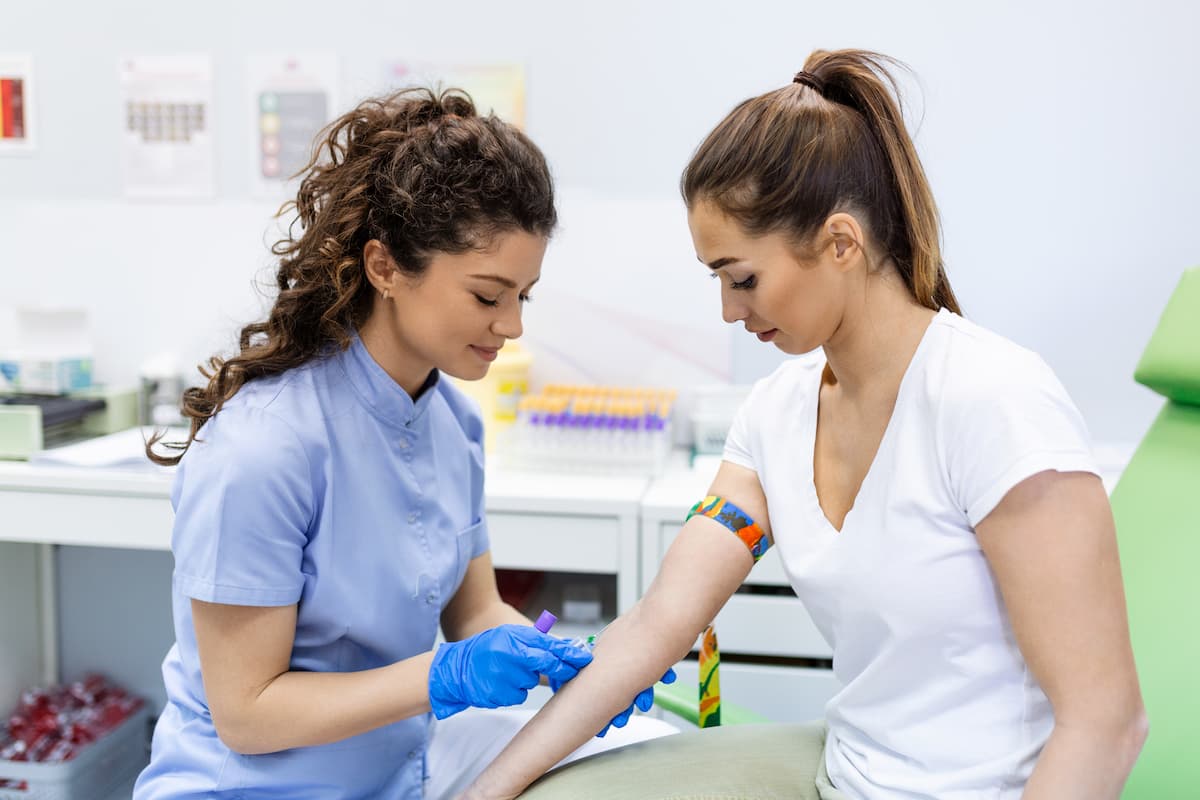
A polymerase chain reaction (PCR) swab test is taken directly from an active sore, ulcer or blister. It is generally considered the most reliable method of diagnosing a current herpes outbreak. The swab should ideally be taken within the first few days of a lesion appearing, while it is still fresh. PCR swab testing can also identify the HSV type.
Blood Test (Serology)
A blood test looks for antibodies to HSV-1 and HSV-2. Because the immune system takes time to produce detectable antibodies following exposure, a blood test taken during the window period may not give an accurate picture. Blood tests are more commonly used to establish whether someone has previously been exposed to HSV in the absence of active symptoms, or to check for HSV-2 specifically when the type associated with a partner's diagnosis is known.
The right test depends on whether you have active symptoms at the time of testing, the site of any exposure, and how long ago the possible exposure occurred. It is advisable to discuss your individual circumstances with a healthcare professional or testing service before selecting a test.
Why Does Test Timing Matter?
Both types of herpes test are affected by timing:
For swab tests: The lesion needs to be active and unhealed for a swab to produce a reliable result. Testing from a crusted-over or healed sore is likely to be less informative.
For blood tests: Following a new HSV exposure, the body may take several weeks to produce detectable levels of antibodies. According to current guidance, IgG antibodies specific to HSV-2 are generally detectable within 12 weeks of infection in most people, though this can vary. Testing too soon may produce a negative result that does not accurately reflect infection status. A repeat test after the window period has elapsed may be recommended.
If you have recently had a possible exposure but do not yet have symptoms, it is worth discussing the appropriate timing for testing with a healthcare professional or checking the guidance provided by a specialist sexual health service.
When Is an Examination Needed?
Laboratory testing provides important information but may not be sufficient in every situation. A physical examination by an appropriate clinician may be necessary when:
- Symptoms are persistent, severe or worsening
- The diagnosis is uncertain and multiple conditions need to be considered
- Treatment or management advice is required
- You are pregnant and concerned about herpes, given specific risks associated with neonatal herpes
- Symptoms appear in unusual sites or do not respond as expected
A swab test alone does not replace a clinical assessment. If you are experiencing significant discomfort or are unsure about your symptoms, seek advice from a GP, a sexual health clinic or an appropriate healthcare professional who can examine you.
When to Seek Urgent Advice
Seek prompt medical attention if you experience:
- Severe or rapidly worsening genital pain
- Difficulty passing urine
- High temperature alongside genital symptoms
- Sores affecting the eyes
- Symptoms during pregnancy or in a newborn infant
Contact NHS 111 for urgent medical advice. Call 999 in a medical emergency.
Information About STI Testing
If you are considering herpes testing or a broader sexual health screen, STI Clinic London provides educational information about testing for genital herpes and other sexually transmitted infections. Their site also includes guidance on how STI testing works and what to expect from the process.
GP.London offers private blood testing and STI testing services. For current information on available tests and how to arrange a test, please visit gp.london.
Frequently Asked Questions
Can a herpes test tell me which type of HSV I have?
In many cases, yes. A PCR swab test taken from an active lesion can typically distinguish between HSV-1 and HSV-2. A type-specific blood test can also detect antibodies to each type separately. Knowing the type can be useful for understanding likely transmission routes and recurrence patterns.
Is herpes included in a standard STI test?
Not necessarily. Many routine STI panels do not automatically include herpes testing. If you have a specific concern about HSV, it is important to confirm with the testing service that a herpes test is included when you arrange your screen.
Can I test for herpes without any symptoms?
Yes. A blood test can detect HSV antibodies whether or not you have current symptoms. However, if the possible exposure was very recent, the result may not be reliable until enough time has passed for antibodies to develop. Discussing timing with a healthcare professional or testing service is advisable.
Does a negative herpes test mean I definitely do not have HSV?
Not always. A negative swab result taken when no active lesion is present does not exclude HSV infection. A negative blood test taken during the window period may not be conclusive. Repeat testing after the window period, combined with clinical assessment where appropriate, gives a more complete picture.
Can herpes be passed on when there are no visible sores?
Yes. Asymptomatic viral shedding means that HSV can be transmitted even when no sores or blisters are visible. This is one reason why herpes is transmitted more frequently than many people expect.
Should I tell a partner if I test positive for herpes?
Partner notification is an important part of responsible sexual health care. A positive result allows partners to seek their own testing, access accurate information and make informed decisions. Sexual health services, including NHS sexual health clinics, can provide guidance and support around partner notification.
This article provides general information and does not constitute individual medical advice, diagnosis or treatment. Sexual-health symptoms can have several possible causes. The appropriate tests depend on individual circumstances, exposure sites and timing. If symptoms persist, worsen or require examination, seek advice from an appropriate healthcare professional. Contact NHS 111 for urgent medical advice or call 999 in a medical emergency.