South Kensington Tube.


A sudden toothache, a broken tooth after lunch, or a crown that comes loose on a Friday evening — dental problems rarely wait for a convenient moment. If you are in London and need to be seen quickly, understanding how same-day dental appointments actually work can save you time, reduce anxiety, and help you get the right care at the right level of urgency.
Direct Answer: In London, a same-day dentist appointment may be possible through a dedicated emergency dental provider, subject to availability and the nature of your problem. Some providers offer urgent slots from early morning through to the evening. How quickly you are seen typically depends on the severity of your symptoms, when you contact the practice, and whether the issue requires immediate intervention or can be safely managed with a next-day appointment.
Quick summary:
- Severe or worsening dental pain, swelling, or a traumatic injury may warrant same-day assessment.
- Loosened or chipped restorations without pain can often wait, but should still be checked promptly.
- Difficulty breathing or swallowing, or rapidly increasing facial swelling, requires 999 or A&E, not a dental appointment.
- Availability of same-day slots should always be confirmed directly with the dental provider.
When Does Dental Pain Actually Need a Same-Day Appointment?
Not every dental problem requires immediate attention, but certain symptoms suggest that waiting several days for a routine slot may not be appropriate. As a general guide, a dental assessment on the same day or as soon as possible may be advisable when you experience:
- Severe, continuous toothache that does not respond to over-the-counter pain relief
- A visible abscess, significant swelling of the face, jaw, or gum, or a foul taste suggesting infection
- A tooth that has been knocked out, cracked to the root, or pushed out of position
- Heavy bleeding following a tooth extraction that has not settled after applying firm pressure
- A lost filling or crown that is causing sharp pain or sensitivity that is difficult to manage
Milder discomfort — for example, sensitivity following a routine filling, or a chip that is smooth and not painful — may be monitored cautiously and assessed at a prompt but not necessarily same-day appointment. Dental pain can have several possible causes, and a proper examination is needed to identify them accurately.
If you are unsure of the urgency, NHS 111 (call or visit online) can help you decide whether you need to seek care the same day.
How Do Same-Day Dental Appointments in London Work?
London has a range of dental providers who specifically offer urgent and same-day appointments alongside their regular lists. Dedicated emergency dental services, such as Emergency Dentist London, typically operate a triage process: when you contact them, you will usually be asked a series of questions about your symptoms to help prioritise your appointment and prepare the clinician before you arrive.
Typically, a same-day emergency dental appointment will involve:
- Initial assessment — A review of your symptoms, dental and medical history, and any relevant medications.
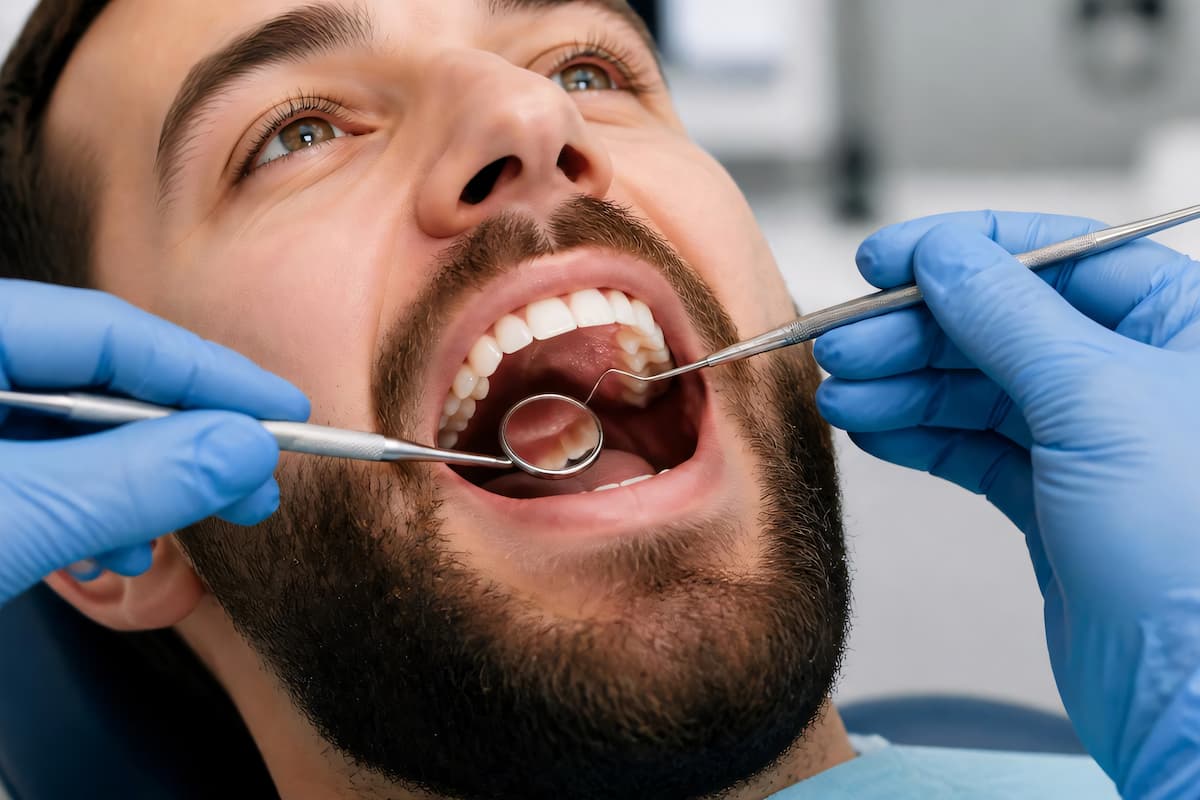
- Clinical examination — A thorough look at the affected tooth, surrounding gum tissue, and any associated soft tissue.
- Dental X-rays if appropriate — Imaging is not always necessary at a first visit, but may be taken to assess the root, bone, or extent of any infection.
- Explanation of findings — The dentist will explain what they have found and discuss likely causes.
- Discussion of treatment options — You will be given an overview of the options available, along with costs, before any treatment proceeds.
- Initial treatment or stabilisation — Depending on the clinical findings, the dentist may complete treatment during the same visit or stabilise the problem and arrange a follow-up.
It is worth noting that complex treatment — such as a multi-visit root canal — may not be completed in a single appointment. The priority at an emergency visit is often to relieve acute pain, manage infection risk, and protect the tooth while a longer-term plan is agreed.
What Affects How Quickly You Can Be Seen?
Several practical factors influence appointment availability for urgent dental care in London:
Time of contact: Calling or booking online early in the morning gives you a better chance of securing a same-day slot. Emergency dental providers often release urgent appointments throughout the day as they become available.
Day of the week: Evenings, weekends, and bank holidays can reduce the number of NHS dental appointments available. Dedicated emergency and out-of-hours dental services are specifically designed to cover these gaps.
Severity of the problem: Practices will generally prioritise patients with severe pain, trauma, or signs of spreading infection over those with milder, more manageable concerns.
Your location in London: Most emergency dental providers in London serve patients across a wide area, though confirming travel time and accessibility before booking is sensible, particularly if you are in significant pain.
NHS versus private provision: NHS emergency dental slots in London can be limited. Private emergency dental providers often offer greater flexibility for same-day bookings, though appointments are subject to availability and cannot be guaranteed.
What Can You Do While Waiting for a Dental Appointment?
If you are in pain before your appointment, there are some safe steps that may help manage your discomfort in the short term. These measures will not treat the underlying dental problem, but they may make the wait more bearable:
- Over-the-counter pain relief: A pharmacist can advise on suitable options such as ibuprofen or paracetamol, taken according to the product instructions. These medicines may not be appropriate for everyone — including those who are pregnant, have certain medical conditions, or take other medications — so always read the label and seek pharmacist advice if you are unsure.
- Clove oil: A small amount applied carefully to the affected tooth with a cotton bud may offer brief, temporary numbing. Avoid over-application and keep it away from soft tissue.
- Soft foods and avoiding triggers: If a tooth is sensitive to hot, cold, or pressure, softer foods on the opposite side of the mouth can reduce aggravation.
- Salt-water rinses: Gentle rinsing with warm salt water can help keep the area clean, particularly around gum swelling or a socket.
- Cold compress: For facial swelling, a wrapped ice pack applied to the outside of the face for short intervals may help manage inflammation.
These are temporary measures only. A dental examination is needed to identify and address the underlying cause.
What Should You Avoid?
Several well-meaning but potentially harmful actions are worth avoiding while you wait:
- Do not place aspirin directly on a tooth or gum — this can cause chemical burns to the soft tissue.
- Do not use household glue to reattach a crown, bridge or denture — these adhesives are not designed for oral use and can cause damage.
- Do not attempt to drain a dental abscess or apply heat to a swollen area — this can worsen the spread of infection.
- Do not take antibiotics that were not prescribed for you — antibiotics do not remove the cause of a dental infection and are not a substitute for dental treatment. Taking unprescribed antibiotics is unsafe.
- Do not chew on a cracked, loose, or painful tooth — further damage or breakage may make treatment more complex.
Finding Emergency Dental Care in London
If you need to be assessed by a dentist the same day in London, Emergency Dentist London offers urgent and out-of-hours dental appointments across the capital. Their service is designed to accommodate patients experiencing dental pain, injury, or restoration problems outside regular surgery hours, as well as during the working week when routine appointments are unavailable.
Before contacting any dental provider, it is worth having a clear sense of your symptoms, how long they have been present, and any relevant medical history or medications — this helps the clinical team triage you accurately and prepare appropriately for your visit.
If you are unable to access a dentist and are in significant pain, NHS 111 can provide guidance on your nearest available NHS dental service.
This article is published by GP.London as general health information. GP.London and Emergency Dentist London are separate organisations, and GP.London currently offers private blood testing, STI testing, and health screening services. Dental symptoms and injuries should be assessed by a qualified dental professional.
When to Seek Immediate Medical Help
Certain symptoms associated with dental problems require emergency medical care rather than a dental appointment. Call 999 or go to your nearest A&E immediately if you experience:
- Difficulty breathing or swallowing
- Rapidly increasing swelling affecting the face, neck, or floor of the mouth
- Swelling spreading to the eye or throat
- High temperature combined with severe swelling and difficulty opening your mouth
- Heavy bleeding that cannot be controlled with firm pressure
- Loss of consciousness or severe trauma to the face or head
These symptoms may indicate a spreading infection or other serious medical emergency that goes beyond dental treatment. Do not delay seeking emergency medical care for these signs.
Frequently Asked Questions
Can I walk in to see an emergency dentist in London without an appointment?
Some emergency dental providers in London do accept walk-in patients, but availability cannot be guaranteed. Contacting the practice by phone or online before you travel is advisable, as it allows staff to prepare for your arrival and confirm whether they can accommodate you on that day.
Will I be charged more for a same-day dental appointment?
Emergency dental appointments, particularly out of hours or at weekends, may carry a different fee structure from routine appointments. It is worth asking about costs when you book, as charges may vary depending on whether the visit covers examination only or includes initial treatment. Final costs can depend on clinical findings.
What if I am registered with an NHS dentist — can they see me the same day?
NHS dentists are required to make provision for urgent care for their registered patients, though the availability of same-day slots varies between practices. Contact your registered practice as early as possible in the day. If they cannot see you, they should be able to advise on your next steps or direct you to an appropriate alternative.
Is a same-day dental appointment suitable for a knocked-out tooth?
Yes — a knocked-out adult tooth is one of the most time-sensitive dental emergencies. Clinical guidance suggests that prospects for successful reimplantation may be better when a dentist is seen within approximately 30 to 60 minutes of the injury, though outcomes depend on individual clinical factors including the condition of the tooth and surrounding tissues. Keep the tooth moist (in milk or a small amount of saline, not tap water) and contact an emergency dental provider immediately. Note: a baby (primary) tooth that has been knocked out should not be reinserted — contact a dentist for advice.
What happens if dental swelling gets worse overnight?
If facial or neck swelling is increasing rapidly, you are having difficulty breathing or swallowing, or you develop a high temperature with severe swelling, do not wait until morning — call 999 or go to A&E. For painful but contained swelling without those warning signs, NHS 111 can advise on urgent dental access overnight.
Can a pharmacist help with dental pain while I wait for an appointment?
Yes. A pharmacist can advise on appropriate over-the-counter pain relief and may be able to suggest a temporary dental repair kit for a lost filling or loose crown to reduce sensitivity between your injury and your appointment. These are temporary comfort measures and do not replace a dental examination or treatment.
This article provides general information and does not constitute individual medical or dental advice, diagnosis or treatment. Dental symptoms can have several possible causes and may require examination by a qualified dental professional. Seek urgent advice if symptoms worsen. Call 999 or attend A&E if you have difficulty breathing or swallowing, rapidly increasing facial or neck swelling, severe facial trauma, loss of consciousness or heavy uncontrolled bleeding.