South Kensington Tube.


Introduction
Many people reach a point where they feel self-conscious about one or more aspects of their smile — perhaps a tooth that feels slightly out of place, some staining that has built up over the years, or a chip that catches their eye every time they look in the mirror. If you have ever found yourself researching cosmetic dental treatments online without being sure where to begin, you are certainly not alone.
The range of cosmetic dental treatments now available is genuinely broad, which can make the decision-making process feel overwhelming. Teeth whitening, composite bonding, dental veneers, crowns, clear aligners — each treatment works differently, suits different situations, and comes with its own considerations. Choosing the right cosmetic dental treatment is not simply a matter of picking the most popular option; it depends on the individual condition of your teeth, your oral health, your treatment goals, and a thorough clinical assessment.
This article explains the main cosmetic dental treatment options available in the UK, what each one involves, and what factors are likely to influence which treatment may be appropriate for you.
What Does Cosmetic Dentistry Actually Cover?
Cosmetic dentistry is a broad term that refers to dental treatments primarily aimed at improving the appearance of teeth, gums, and the overall smile. This can include changes to tooth colour, shape, size, alignment, and spacing.
Importantly, many cosmetic treatments also have a restorative function. For example, composite bonding can repair a chipped tooth whilst improving its appearance. A dental crown may restore the structure of a damaged tooth whilst also improving how it looks. The line between restorative and cosmetic dentistry is not always clear-cut, which is one of the reasons a thorough dental assessment is so valuable before treatment decisions are made.
Cosmetic dentistry in the UK is delivered by general dentists and, in more complex cases, by dentists with additional postgraduate training in aesthetic and restorative dentistry. Treatments vary significantly in invasiveness, cost, longevity, and suitability. Understanding what each treatment involves is an important first step in making an informed decision.
An Overview of Common Cosmetic Dental Treatments
Teeth Whitening
Professional teeth whitening is one of the most commonly requested cosmetic dental treatments. It uses peroxide-based gels — either applied in-clinic or via custom-made trays for home use — to lighten the natural colour of teeth.
It is important to understand that whitening only affects natural tooth enamel. It will not change the colour of existing restorations such as crowns, veneers, or composite fillings. Teeth whitening may not be suitable for individuals with certain types of tooth sensitivity, gum recession, or heavily restored teeth. Legally in the UK, professional whitening products above a specified concentration can only be provided by a registered dental professional.
Results can vary significantly between individuals and are not permanent; lifestyle factors such as diet, smoking, and coffee consumption can affect how long results last. If you are comparing options, this guide to dentist-prescribed home teeth whitening treatment in London explains suitability, safety, and expected process.
Composite Bonding
Composite bonding involves the application of a tooth-coloured resin material directly onto the tooth surface. It can be used to repair chipped teeth, close small gaps, reshape teeth, or address minor surface staining.
One of the appeals of composite bonding is that it is generally considered a minimally invasive treatment — in many cases, little or no tooth preparation is required. It can often be completed in a single appointment. However, composite resin is more susceptible to staining and wear over time compared to porcelain, and bonding may require maintenance or replacement after a number of years.
Composite bonding may be considered as an option for patients who want to make modest improvements to the appearance of their smile without committing to a more involved treatment. You can find further information about composite bonding for chipped edges, small gaps, and minor shape correction in clinical practice.
Dental Veneers
Dental veneers are thin shells — typically made from porcelain or composite resin — that are bonded to the front surface of teeth. They can be used to address a range of cosmetic concerns, including discolouration that does not respond well to whitening, irregular tooth shape, minor misalignment, and small chips or cracks.
Porcelain veneers are generally considered to be more durable and stain-resistant than composite veneers, and they tend to produce a more natural-looking result over the longer term. However, porcelain veneers typically require some removal of tooth enamel during preparation, which means the treatment is considered irreversible.
Composite veneers can sometimes be applied with minimal or no tooth preparation, making them a more reversible option in some cases, though they may not last as long as porcelain.
Understanding the differences between these two options is important, and suitability depends on the condition of the tooth, the extent of the cosmetic concern, and individual clinical factors. Patients exploring this treatment area may find it useful to read further about porcelain veneers for discolouration, worn enamel, and minor spacing concerns and how suitability is assessed.
Clear Aligners
Clear aligner systems use a series of custom-made, removable plastic trays to gradually move teeth into a more aligned position. They may be considered for patients with mild to moderate misalignment, crowding, or spacing issues.
Clear aligners are not always suitable for more complex orthodontic cases, and some alignment concerns may be better addressed through fixed orthodontic treatment. Whether clear aligners are appropriate depends on a clinical orthodontic assessment, the nature of the tooth movement required, and the individual's bite relationship. For treatment-specific details, see this overview of clear removable aligner treatment for mild to moderate crowding and spacing.
Dental Crowns
A dental crown is a cap that fits over a tooth, restoring its shape, size, and appearance. Crowns are most commonly used when a tooth has lost significant structure due to decay, fracture, or following root canal treatment — but they can also be used for cosmetic purposes in some circumstances.
Placing a crown requires the preparation of the underlying tooth, so it is generally considered where there is also a clinical need, rather than purely for cosmetic improvement where less invasive options are available.
The Underlying Dental Science: Why Treatment Selection Matters
Every cosmetic dental treatment interacts with the underlying dental tissues in different ways. Understanding this helps explain why clinical assessment matters so much before any treatment is chosen.
Enamel is the hard, mineralised outer layer of the tooth. It is the tissue most directly involved in cosmetic treatment decisions. Teeth whitening works within the enamel structure to lighten pigment molecules. Veneers and crowns involve bonding to or removal of enamel. Once enamel is removed, it cannot regenerate — which is why any treatment requiring tooth preparation is considered an irreversible step.
Dentine sits beneath the enamel and is more porous and sensitive. Exposed dentine — due to enamel wear, gum recession, or tooth preparation — can affect the suitability of certain cosmetic treatments and may influence sensitivity outcomes.
Gum health is foundational to any cosmetic dental work. Healthy periodontal tissues (the gums and supporting structures around teeth) are generally required before cosmetic treatment begins, as gum inflammation or disease can affect treatment outcomes and healing. A dentist will typically assess gum health as part of any pre-treatment examination.
The condition of the bite — how the upper and lower teeth meet — also plays an important role. Some cosmetic restorations may be affected by an unusual bite pattern or teeth-grinding habit, which would need to be considered during treatment planning.
What Factors Influence Which Treatment May Be Appropriate?
No single cosmetic dental treatment is universally suitable. A range of individual clinical factors will influence which options are appropriate:
- Current oral health — gum disease or untreated decay would generally need to be addressed before cosmetic treatment begins
- Existing dental restorations — the presence of crowns, veneers, or fillings affects treatment options
- Tooth structure — the amount of natural tooth remaining influences what can be achieved
- The nature of the cosmetic concern — discolouration, shape, alignment, and spacing each have different treatment pathways
- Personal treatment goals — some patients prioritise minimal invasiveness; others may prioritise longevity
- Lifestyle factors — diet, smoking, and oral hygiene habits can affect outcomes
- Medical and dental history — certain medical conditions or medications may affect treatment suitability
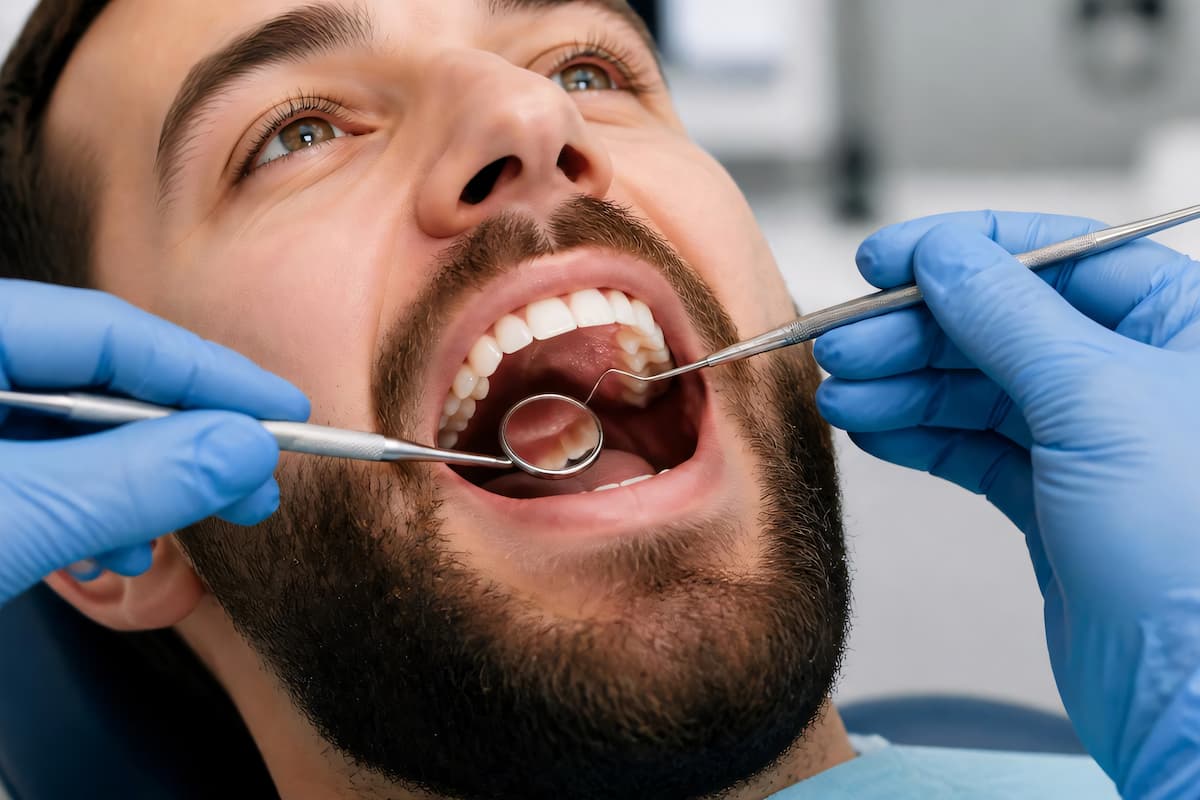
A dental examination provides the clinical foundation on which appropriate treatment recommendations can be made. It is not possible to determine suitability from photographs or a description of concerns alone.
When Should You Speak to a Dental Professional?
If you are considering cosmetic dental treatment, speaking to a dentist is the appropriate first step — even before deciding on a treatment. A dentist can:
- Assess the current condition of your teeth and gums
- Identify any underlying dental issues that may need attention first
- Discuss which treatment options may be clinically appropriate for your situation
- Explain what each treatment involves, including any limitations
- Help you make an informed decision based on accurate clinical information
You should also seek professional advice promptly if you notice changes to your teeth or gums — such as sensitivity, changes in colour, cracking, or gum changes — that have not previously been investigated.
Maintaining Good Oral Health Alongside Cosmetic Dental Treatment
Whether you are considering cosmetic treatment or have already had treatment, maintaining good oral health is essential:
- Brush twice daily using a fluoride toothpaste
- Clean between teeth daily using floss, interdental brushes, or a water flosser
- Attend regular dental examinations and hygiene appointments as advised
- Reduce the frequency of sugary and acidic food and drink consumption
- Avoid habits that may damage teeth, such as nail-biting or using teeth to open packaging
- If you grind your teeth, discuss this with your dentist — a night guard may be recommended to protect both natural teeth and any restorations
- Follow any specific aftercare advice provided by your dental team following treatment
Good oral hygiene helps protect the longevity of any cosmetic dental work, and routine dental examinations allow your dentist to monitor the condition of restorations over time.
Key Points to Remember
- Cosmetic dental treatment is not one-size-fits-all — the most appropriate option depends on individual clinical factors, oral health, and treatment goals.
- Oral health comes first — gum disease or untreated decay would generally need to be resolved before cosmetic treatment can begin.
- Some treatments are irreversible — treatments involving tooth preparation, such as porcelain veneers or crowns, permanently alter tooth structure, which is an important consideration.
- Professional whitening is regulated in the UK — legally, higher-concentration whitening products can only be supplied and supervised by a registered dental professional.
- A clinical examination is the essential first step — photographs or self-assessment cannot determine treatment suitability; a proper consultation with a qualified dentist is required.
- Results vary between individuals — cosmetic dental treatments can produce significant improvements for many patients, but outcomes depend on individual circumstances and cannot be guaranteed.
Frequently Asked Questions
How do I know which cosmetic dental treatment is right for me?
The most reliable way to identify which cosmetic dental treatment may suit you is to have a clinical examination with a qualified dentist. During the assessment, the dentist will review the condition of your teeth and gums, discuss your concerns and goals, and explain which options may be clinically appropriate. Factors such as the extent of discolouration, tooth structure, gum health, bite, and existing restorations all influence what treatment is likely to be suitable in your individual case.
Is teeth whitening safe?
Professional teeth whitening, when carried out or supervised by a registered dental professional using products within legal concentration limits, is generally considered safe for most adults with healthy teeth and gums. It is not suitable for everyone — for example, it is not recommended during pregnancy, or for individuals with certain types of sensitivity or gum recession. Your dentist can advise whether whitening is appropriate for you and recommend the most suitable method.
What is the difference between composite bonding and porcelain veneers?
Composite bonding uses a tooth-coloured resin applied directly to the tooth, often with little or no removal of natural tooth structure. It is typically quicker and less costly than porcelain veneers, though it may be more susceptible to staining and wear over time. Porcelain veneers are thinner shells custom-made in a dental laboratory and bonded to the tooth surface, generally producing a more durable and natural-looking result over the longer term. However, porcelain veneers usually require some removal of enamel, making the treatment irreversible. The most appropriate option depends on individual clinical circumstances.
Can cosmetic dental treatment fix crooked teeth?
It depends on the nature and extent of the misalignment. Mild crowding, spacing, or minor alignment concerns may be addressed through clear aligners or, in some cases, through the use of veneers. More significant misalignment or bite problems generally require orthodontic treatment. Not all approaches are suitable for all patients, and a clinical assessment is needed to determine which option — if any — is appropriate.
Will cosmetic dental treatment last permanently?
No cosmetic dental treatment can be described as permanently lasting without qualification. Longevity varies considerably between treatments and individuals. Porcelain veneers may last many years with appropriate care; composite bonding may require maintenance or replacement earlier. Teeth whitening results can fade over time, depending on dietary habits and oral hygiene. The lifespan of any cosmetic dental work is affected by individual habits, oral health, and the specific treatment. Your dentist can give you a realistic expectation based on your circumstances.
Do I need to have healthy teeth before cosmetic dental treatment?
Generally, yes. Most cosmetic dental treatments require a foundation of good oral health. Conditions such as active gum disease, untreated decay, or significant tooth wear would typically need to be assessed and managed before cosmetic treatment begins. Attempting cosmetic treatment on teeth with underlying issues can compromise both the outcome and the long-term condition of the teeth. Your dentist will carry out a thorough assessment to ensure any clinical concerns are addressed appropriately before cosmetic work is undertaken.
Conclusion
Choosing the right cosmetic dental treatment is a genuinely individual decision — one that cannot be made from an online article alone, however useful that information may be. The options available in modern cosmetic dentistry are broad, and each treatment has its own indications, limitations, and considerations. Teeth whitening, composite bonding, dental veneers, clear aligners, and crowns each work differently and suit different clinical situations.
The most important step is to seek a thorough professional assessment before committing to any particular treatment path. Understanding the current condition of your teeth, your gum health, your bite, and your personal goals provides the information needed to make an informed and appropriate decision. Dental symptoms and treatment options should always be assessed individually during a clinical examination.
If you are considering cosmetic dental treatment, speaking to a qualified dentist is the most reliable way to understand which options may be appropriate for your smile.
Disclaimer: This article is intended for general educational purposes only and does not constitute personalised dental advice. Individual diagnosis and treatment recommendations require a clinical examination by a qualified dental professional.
Written Date: 18 September 2026
Next Review Date: 18 September 2027