South Kensington Tube.

Waking with a persistent, dull head pain is a frustrating experience — and one that prompts many people to ask whether something happening during sleep might be responsible. TMJ strain morning migraines is a topic that genuinely interests many readers, and with good reason: the temporomandibular joint, the muscles that surround it, and habits such as teeth grinding or clenching during sleep may, in some people, contribute to discomfort around the jaw, temples and head. However, morning headaches are not specific to jaw problems, and they have a wide range of possible causes. This article is intended to offer educational information only — not to diagnose any individual's symptoms.
What Is the Temporomandibular Joint?
The temporomandibular joint — commonly referred to as the TMJ — is located just in front of each ear, on both sides of the head. It connects the lower jaw (mandible) to the temporal bone of the skull and is one of the most frequently used joints in the body, involved in chewing, swallowing, speaking and yawning.
The joint works alongside a complex network of muscles, tendons and a small disc of cartilage that helps it move smoothly. Because of this complexity, problems can arise from the joint itself, from the surrounding muscles, or from a combination of both.
It is worth distinguishing between two broad categories of jaw-related discomfort:
- Joint-related symptoms — which may involve the joint structure itself, such as the disc or the joint surfaces
- Muscular symptoms — which arise in the muscles around the jaw and may extend into the face, temples or neck
Clicking or popping sounds in the jaw are relatively common and do not automatically indicate a disorder or require treatment. However, when jaw symptoms are accompanied by pain, restricted movement or other concerns, an appropriate assessment may be warranted.
Can TMJ Strain Cause Morning Headaches or Migraines?
This is one of the most frequently asked questions on this topic, and it deserves a careful answer.
TMJ problems and jaw-muscle tension may contribute to pain around the jaw, face and temples in some people. When the muscles of the jaw are overworked — through clenching, grinding or sustained tension — they can become fatigued or sore, and this discomfort may radiate towards the temples, cheeks or forehead. Some people describe this as a dull, aching pressure that is present on waking. If you are concerned about persistent symptoms, private dental assessment pathways may help with initial triage and onward direction.
However, there are important distinctions to make:
- Headache is a broad term covering many different types of head pain with many possible causes.
- Migraine is a recognised neurological condition characterised by specific features, which often include moderate to severe throbbing head pain, nausea, and sensitivity to light or sound. It has its own diagnostic criteria and is not simply a severe headache.
- Jaw-related facial pain is its own category of discomfort and does not automatically overlap with either of the above.
TMJ strain does not cause migraine in the way that a virus causes an infection. The relationship — where one exists — is more nuanced. Jaw-muscle tension may act as a contributing factor or a trigger in some individuals who are already predisposed to migraine, but this should not be generalised. Many people with jaw discomfort do not experience migraine, and many people with migraine have no jaw problems at all.
A headache on its own does not establish a TMJ disorder, and jaw tension alone does not diagnose migraine.
Why Might Jaw Pain or Head Pain Be Worse in the Morning?
Morning is a common time for people to notice jaw discomfort, teeth soreness or head pain, and there are several plausible explanations — though none can be confirmed without proper assessment.
Possible reasons why symptoms may appear after sleep include:
- Overnight teeth grinding or clenching — also known as sleep bruxism, this is a condition in which a person grinds, gnashes or clenches their teeth during sleep. Because it occurs unconsciously, many people are unaware that it is happening until they notice symptoms such as jaw soreness, worn teeth, or head pain on waking.
- Sustained jaw muscle tension during sleep — even without full grinding, some people hold significant tension in the jaw overnight.
- Sleep position — certain positions may place sustained strain on the neck and jaw muscles.
- Poor sleep quality or disrupted sleep — sleep disruption has associations with various types of head pain, including migraine, quite independently of jaw activity.
- Stress and anxiety — both are known to be associated with increased jaw tension and with headache in general.
It is important to note that morning headaches have a wide range of possible causes that have nothing to do with the jaw. These include dehydration, sleep-related breathing problems such as obstructive sleep apnoea, stress, blood pressure changes, missed meals, and medication-related factors, among others. Waking with a headache should not automatically be attributed to jaw clenching or TMJ strain.
How Are Teeth Grinding and Jaw Clenching Related to Head Pain?
Bruxism is the clinical term for the habitual grinding or clenching of teeth. It can occur during the day (awake bruxism) or during sleep (sleep bruxism), and many people who do it are entirely unaware of the behaviour.
When the jaw muscles are repeatedly overloaded — through sustained clenching or grinding — they can become fatigued, inflamed or tender. This muscular strain may lead to:
- Jaw tenderness or stiffness, particularly on waking
- Discomfort at the temples — the temporalis muscle, which is involved in jaw movement, attaches at the temples and can refer discomfort to that area
- Facial aching or pressure
- Tooth soreness or sensitivity
In some individuals, this muscular strain may contribute to head pain. However, not everyone with bruxism develops headaches, and not every headache in someone who grinds their teeth is caused by that grinding. The relationship between bruxism and headache varies between individuals.
Signs that a person might grind or clench their teeth can include a partner reporting the sound at night, tooth wear noticed by a dentist, jaw soreness on waking, or cheek tissue that has been bitten internally. A dentist is usually better placed than other clinicians to identify physical signs of bruxism during examination.
What Does Jaw Alignment Have to Do With Head Pain?
The phrase "jaw alignment" is commonly used in discussions about TMJ disorders and headaches, but it warrants careful interpretation.
The jaw operates within a complex system of muscles, ligaments and joint structures. When this system is working efficiently, jaw movement is coordinated and relatively comfortable. When muscle activity becomes excessive or uneven — for example, through habitual clenching, asymmetrical chewing patterns or prolonged tension — additional strain may be placed on the muscles and joint.
Some people and some healthcare providers suggest that the relationship between the teeth, jaw and skull can influence muscle activity in a way that contributes to discomfort. This is a plausible concept, but the clinical evidence is not straightforward, and the degree to which bite adjustment or jaw repositioning reliably reduces headaches in the general population remains a subject of ongoing discussion in the dental and medical literature.
What should be approached with caution is the idea that "correcting jaw alignment" is a reliable or universal solution to morning headaches or migraine. Claims that bite adjustment or jaw repositioning will eliminate migraines are not supported by robust clinical evidence, and irreversible treatment decisions should not be made on the basis of headache symptoms alone. If you are considering assessment of jaw-related symptoms, seeking guidance from a qualified dental professional or GP is advisable before pursuing any treatment.
For broader symptom context, multidisciplinary private assessment services may be a useful starting point. Service suitability, fees and availability should be confirmed directly with the provider.
TMJ Headache vs Migraine: What Is the Difference?
Symptoms associated with TMJ strain and those associated with migraine can sometimes overlap, which is part of why people find the connection confusing. The table below offers a general comparison — but it is not a diagnostic tool.
| Feature | Possible TMJ-related discomfort | Migraine |
|---|---|---|
| Jaw tenderness or stiffness | May be present | Not usually a defining feature |
| Pain near the temples | Possible | Possible |
| Pain with chewing or opening mouth | May occur | Not usually characteristic |
| Nausea | Less typical | Common in some presentations |
| Light or sound sensitivity | Less typical | Common in some presentations |
| Visual disturbance or aura | Not characteristic | Occurs in some people |
| Jaw clicking or restricted movement | May occur | Not a defining feature |
| Duration and pattern | Variable | Often follows a recognisable pattern |
| Worsened by movement or activity | Variable | Often yes |
⚠️ Important: Symptoms can overlap considerably, and this comparison cannot establish a diagnosis. Both TMJ-related discomfort and migraine can occur in the same individual. If you are experiencing recurrent or concerning symptoms, professional assessment is strongly recommended.
What Other Causes Can Trigger Morning Headaches?
It would be misleading to suggest that jaw tension is the only, or even the most common, explanation for waking with a headache. Morning headaches are a recognised clinical symptom with a broad differential, and most causes have nothing to do with the jaw.
Other possible contributors to morning headaches include:
- Dehydration — even mild overnight fluid loss can contribute to headache
- Poor or disrupted sleep — sleep deprivation and fragmented sleep are well-recognised headache triggers
- Obstructive sleep apnoea — morning headaches can be a feature of this condition, which affects breathing during sleep
- Stress and anxiety — significant associations exist between psychological stress and headache frequency
- Migraine — migraine attacks can occur at any time, including on waking
- Medication overuse headache — regular use of certain headache medications can, over time, contribute to an increase in headache frequency
- Alcohol consumption — even moderate amounts the evening before can produce morning headache
- Missed meals or low blood sugar — irregular eating patterns may be a factor
- High blood pressure — in some cases, though morning headache as a sole symptom of hypertension should not be assumed
- Other underlying medical conditions
NHS guidance makes clear that headaches can have many causes and recommends GP assessment for recurrent, persistent or worsening headaches. This article does not constitute a diagnostic list, and readers should not attempt to self-diagnose from these descriptions.
When Should You Speak to a Doctor?
If headaches are occurring regularly, worsening, or affecting your quality of life, an appropriate healthcare professional should assess them. A GP is well placed to take a detailed history, consider the full range of possible causes, and determine whether further investigation or onward referral is needed.
Consider speaking to a doctor if:
- You are waking with a headache more than once or twice a week
- Your headaches are becoming more frequent or more severe over time
- You are experiencing persistent jaw pain alongside recurrent headaches
- Headaches are affecting your daily activities, work or wellbeing
- You are using over-the-counter pain relief frequently to manage headaches
- You have other accompanying symptoms that concern you
- Self-care measures have not provided relief after a reasonable period
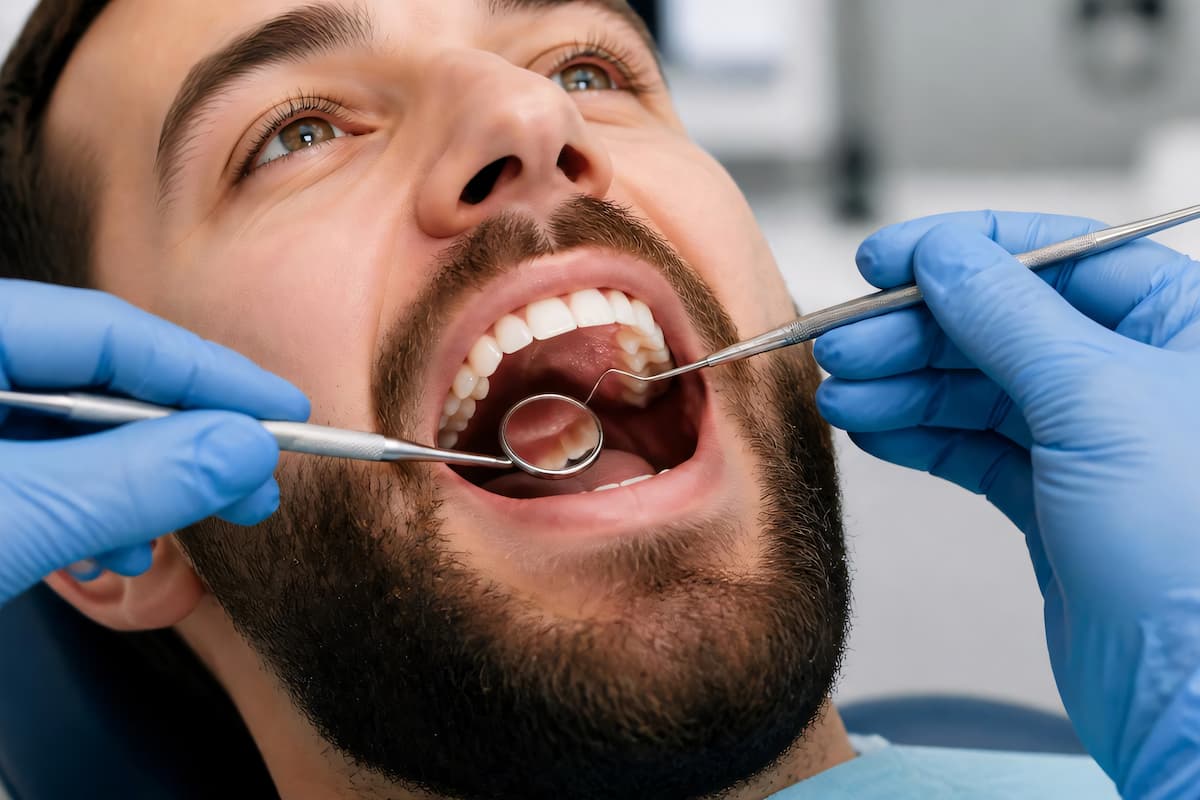
A dentist may also be an appropriate first contact if you suspect jaw clenching, grinding, or TMJ-related symptoms are involved. They can examine for signs of bruxism and assess the jaw joint.
When Should You Seek Urgent or Emergency Help?
Most headaches are not medical emergencies, but certain features require prompt or immediate attention. It is important to recognise these clearly.
Seek prompt medical advice (same day or via NHS 111) if your headache:
- Is significantly different from your usual headaches
- Has become progressively worse over days or weeks
- Is accompanied by a fever or stiff neck
- Is associated with visual disturbances
- Is consistently triggered or made worse by coughing, sneezing, bending or physical exertion
- Is accompanied by vomiting
- Is associated with significant jaw pain when eating alongside persistent head pain
- Is occurring alongside other unexplained symptoms
Call 999 or attend A&E immediately if you experience:
- A sudden, extremely severe headache — sometimes described as the worst headache of your life
- Headache with weakness, numbness or paralysis
- Difficulty speaking or understanding speech
- Confusion or altered consciousness
- Seizure
- Loss or significant disturbance of vision
- Severe headache following a significant head injury
- Headache with a very high temperature, stiff neck and light sensitivity
NHS guidance clearly distinguishes between routine, urgent and emergency headache presentations. These emergency warning signs should never be attributed to jaw tension without urgent assessment.
What Can You Do While Waiting for an Assessment?
While waiting for a medical or dental appointment, some general measures may help manage discomfort. These are general in nature and do not treat any specific underlying cause.
General self-care suggestions include:
- Staying well hydrated throughout the day and keeping a glass of water nearby at night
- Choosing softer foods temporarily if chewing aggravates jaw discomfort — avoid hard, chewy or tough foods in the short term
- Trying to reduce daytime jaw clenching — noticing when your teeth are touching at rest and consciously relaxing the jaw (teeth should not typically be clenched together when the mouth is at rest)
- Keeping a headache diary — noting the time, duration, severity, location and any possible triggers for each headache can provide useful information for a clinician
- Maintaining regular meals to avoid hunger-related headache
- Getting adequate, consistent sleep and maintaining a regular sleep schedule
- Reducing known stressors where possible
- Following the instructions on the packet if using suitable over-the-counter pain relief, and not using it more frequently than directed
⚠️ Temporary self-care may help ease symptoms in the short term, but it does not establish the cause of recurrent headaches or jaw pain. Persistent symptoms should be assessed by an appropriate professional.
What Type of Professional Might Assess Jaw-Related Pain?
Depending on the nature and pattern of symptoms, several types of professional may be relevant.
- GP — a good starting point for recurrent or persistent headaches. A GP can take a full history, rule out medical causes, consider whether a diagnosis such as migraine is likely, and make onward referrals where appropriate.
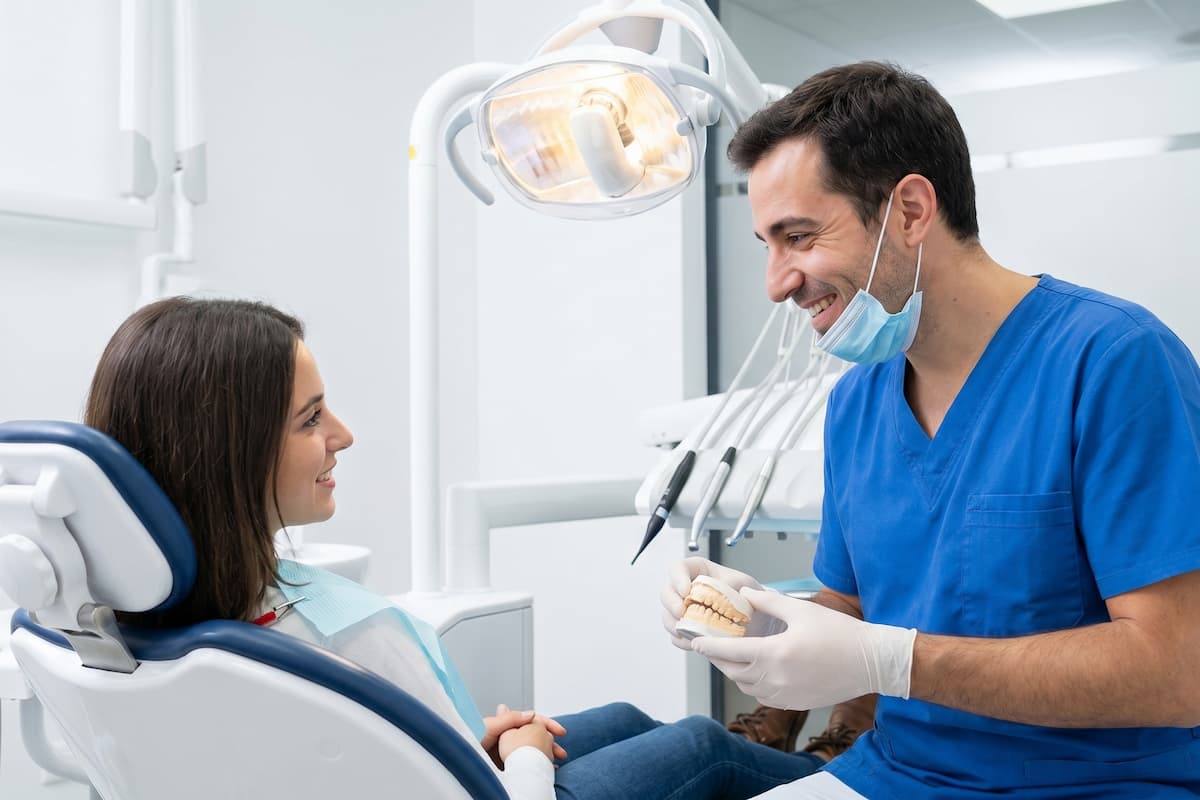
- Dentist — appropriate where bruxism, TMJ discomfort or jaw-related symptoms are the primary concern. A dentist can examine for signs of tooth wear, assess the jaw joint and muscles, and discuss options such as a fitted mouth guard for night use. Information on general-dentistry support options may be helpful before booking.
- Maxillofacial specialist or orofacial pain specialist — where jaw symptoms are complex or persistent, a GP or dentist may refer to a specialist in this area.
- Neurologist — where migraine is suspected and requires specialist evaluation or management.
The appropriate starting point depends on which symptoms are most prominent. It is not uncommon for both a GP and a dentist to be involved at different stages of assessment.
Finding Appropriate Healthcare Support
If recurrent headaches, jaw discomfort or other related symptoms are concerning you, an appropriate healthcare professional can assess your symptoms and help determine whether further investigation is needed.
A private healthcare provider may be a helpful resource for those seeking an initial clinical assessment. Patients are advised to confirm the suitability of the service for their specific symptoms directly with the provider before attending.
You can find further information about relevant orthodontic and jaw-care pathways before arranging care. GP London and Wimpole Street MD are separate healthcare providers. Patients should confirm the appropriate service and appointment requirements — including whether a particular concern is within scope — directly with the relevant provider.
Service suitability, fees and availability should be confirmed directly with the healthcare provider.
Frequently Asked Questions
Can jaw tension really cause a headache?
Jaw-muscle tension can cause discomfort that extends into the temples, face and head in some people. However, not everyone with jaw tension develops headaches, and not every headache is related to jaw muscle activity. Many other causes of headache exist and should be considered.
Is it possible to have both TMJ problems and migraine?
Yes. The two conditions are not mutually exclusive, and some individuals may experience both. When this is the case, managing one does not automatically resolve the other. A GP or relevant specialist can help assess both.
Could a dentist help with morning headaches caused by grinding?
If teeth grinding or jaw clenching is suspected, a dentist is often the appropriate first contact. They can assess for signs of bruxism and may recommend options such as a customised occlusal splint (a type of mouth guard worn at night) to reduce the mechanical effects of grinding. This does not treat headache directly but may reduce muscle strain associated with overnight clenching.
Should I stop taking my regular medication if I think it is causing headaches?
No. Do not stop or alter prescribed medication without speaking to a doctor. Medication overuse headache is a recognised clinical phenomenon, but managing it requires appropriate medical guidance — stopping abruptly may not be appropriate for all medicines.
Disclaimer
For educational information only; not medical or dental advice, diagnosis, or treatment.
Headaches and jaw pain can have multiple causes and need professional assessment.
Do not self-diagnose migraine or TMJ conditions from symptoms alone.
For severe, sudden, or emergency warning signs, seek urgent medical care.
Written Date: 30 September 2026 | Next Review Date: 30 September 2027